Safety first: Prices are examples with an as-of date. Always confirm with your own vendors. Please read our editorial guidelines before you start.
Key takeaways
- Invite married, engaged, living-together and long-term partners by name. Shutterfly's etiquette guide (updated March 2026) lists these as the usual pairs.
- Single guests do not automatically get a plus-one. Budget, venue capacity and whether they already know other guests are all fair reasons to skip it.
- Wedding party members and out-of-town guests are the most common plus-one exceptions.
- Use the partner's name when you know it; write 'and Guest' only when anyone may come.
- Each plus-one is a full guest cost. At $150 per guest (an example), ten plus-ones add $1,500.
In this post9 sections
Wedding Plus One Rules: The Short Answer
Invite a guest's partner if they are married, engaged, living together or in a long-term relationship. Everyone else gets a plus-one only if you choose to offer one. Shutterfly's etiquette guide (last updated March 16, 2026) draws the same line, and it notes that plus-one etiquette is not strictly defined, so your budget and venue are fair reasons to decide.
The rule that keeps people happy is consistency. Apply the same test to every guest, and the answer is easy to explain.
Quick Facts
| Guest situation | Plus-one? | What to write |
|---|---|---|
| Married or engaged | Yes, always | Both names, written out |
| Living together | Yes, always | Both names, written out |
| Dating a year or more | Yes, if you know the name | Both names, written out |
| Dating a few months | Your call | Name only if you know them, or none |
| Single, knows many guests | Optional | Name only |
| Single, out of town or no one they know | Often yes | 'and Guest' or a named friend |
| Wedding party members | Often yes | Name, or 'and Guest' |
| Vendors | Not a plus-one | Meal for each vendor, separately |

Who Must Get a Plus One
Think of couples as a unit. A guest who is married, engaged or living with someone should not be asked to attend alone, even if you have never met the partner. Not inviting them reads as a snub, and many guests will decline.
Long-term couples are usually invited as a pair. We use a year or more as a simple cutoff, which is our own rule of thumb rather than an official one. Use the partner's name once you have it. Ask for the name if you do not know it. A quick text from the guest is better than a mystery on the place cards.
Who Does Not Get a Plus One
It is reasonable to invite single guests without a plus-one. Common reasons are a tight budget, a venue with a hard capacity, or a guest who already knows most of the room. If you are cutting the list, how to cut a wedding guest list lists who goes first.
What we like
- Keeps the guest count and per-guest cost down
- Frees seats for people you know
- Easy to explain if the rule is the same for everyone
Keep in mind
- Some single guests will feel left out
- You may get a polite ask from a guest who wants to bring someone
- Out-of-town singles may arrive alone with no one to sit near
What Each Plus One Costs
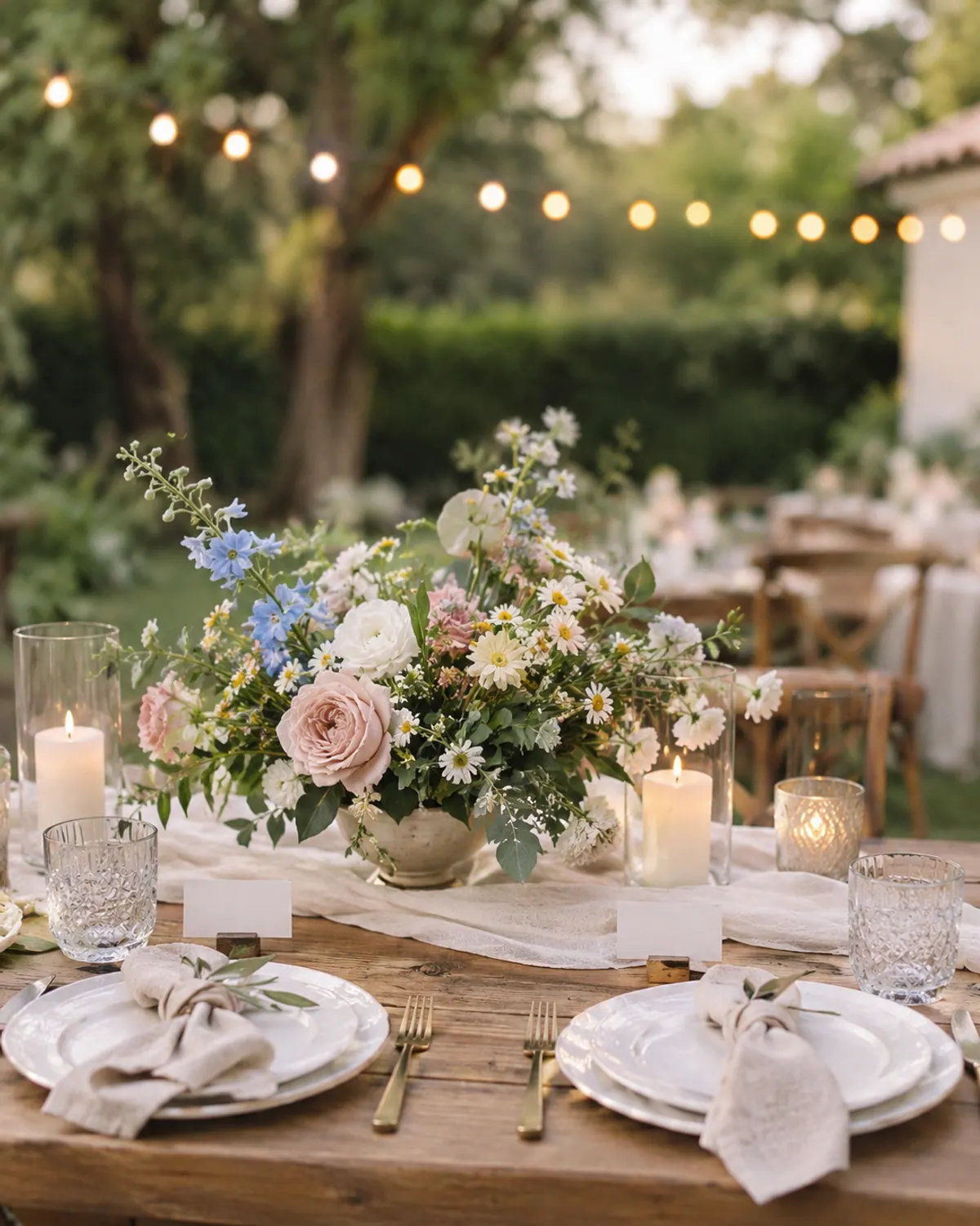
Every plus-one is a full guest: meal, drinks, chair, favor and rental share. Use your own per-guest number from the wedding budget calculator. The table uses $150 a guest as an example only.
| Plus-ones allowed | Added guests | Added cost at $150 a guest |
|---|---|---|
| 5 | 5 | $750 |
| 10 | 10 | $1,500 |
| 20 | 20 | $3,000 |
| 30 | 30 | $4,500 |
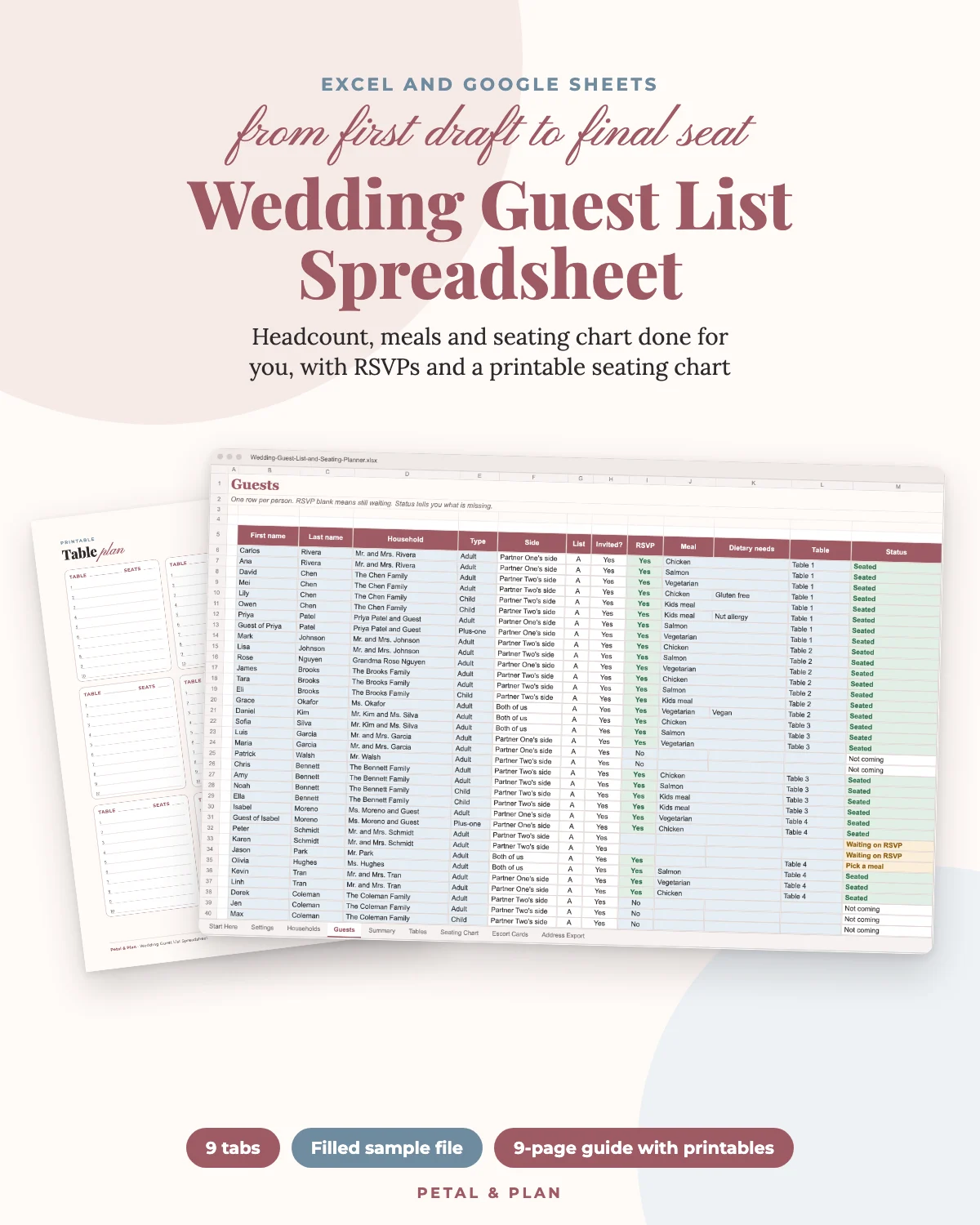
Some of that cost is fixed (the tent is the same size), but food, drink and rentals scale with the headcount. A good habit is to count plus-ones in the guest total from the start, in a guest list by household.

How to Word a Plus One on the Invitation
The outer envelope and the inner envelope do the work. The name on the invitation is who is invited, so be exact.
| Situation | Envelope wording | Why |
|---|---|---|
| Named partner | Ms. Dana Lee and Mr. Chris Ortiz | Everyone knows who is invited |
| Open plus-one | Ms. Dana Lee and Guest | Anyone may come with her |
| Single guest, no plus-one | Ms. Dana Lee | Only Dana is invited |
| Household with kids | The Ortiz Family, or each name listed | Say whether children are invited |
Our invitation wording guide covers the other family cases, such as divorced parents and blended families.
How to Say No Kindly
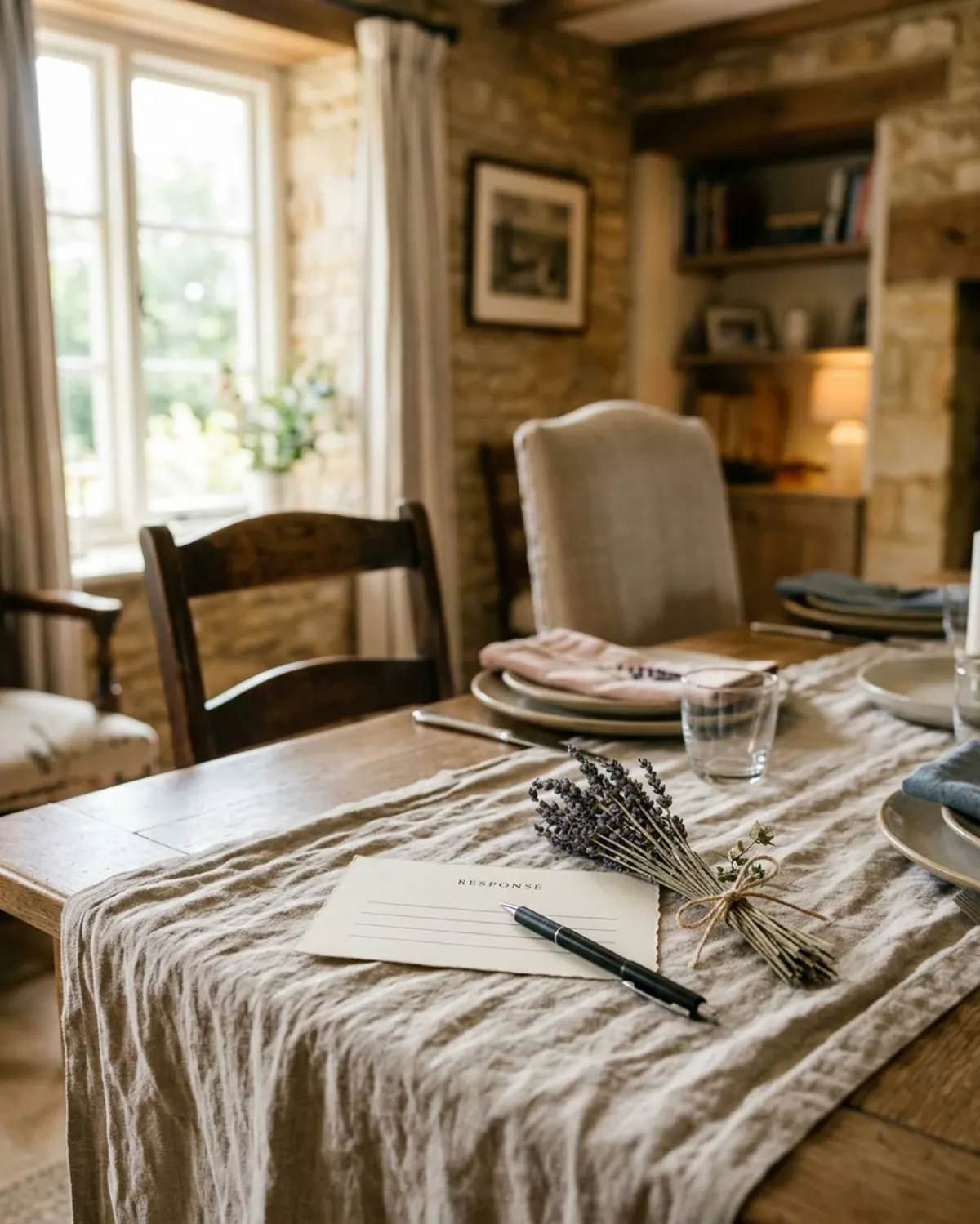
Guests ask. It is polite and expected, and a clear script is kinder than a vague one. Keep the reply short, warm and the same for everyone.
Scripts you can copy
Common Questions and Exceptions
Exceptions worth making
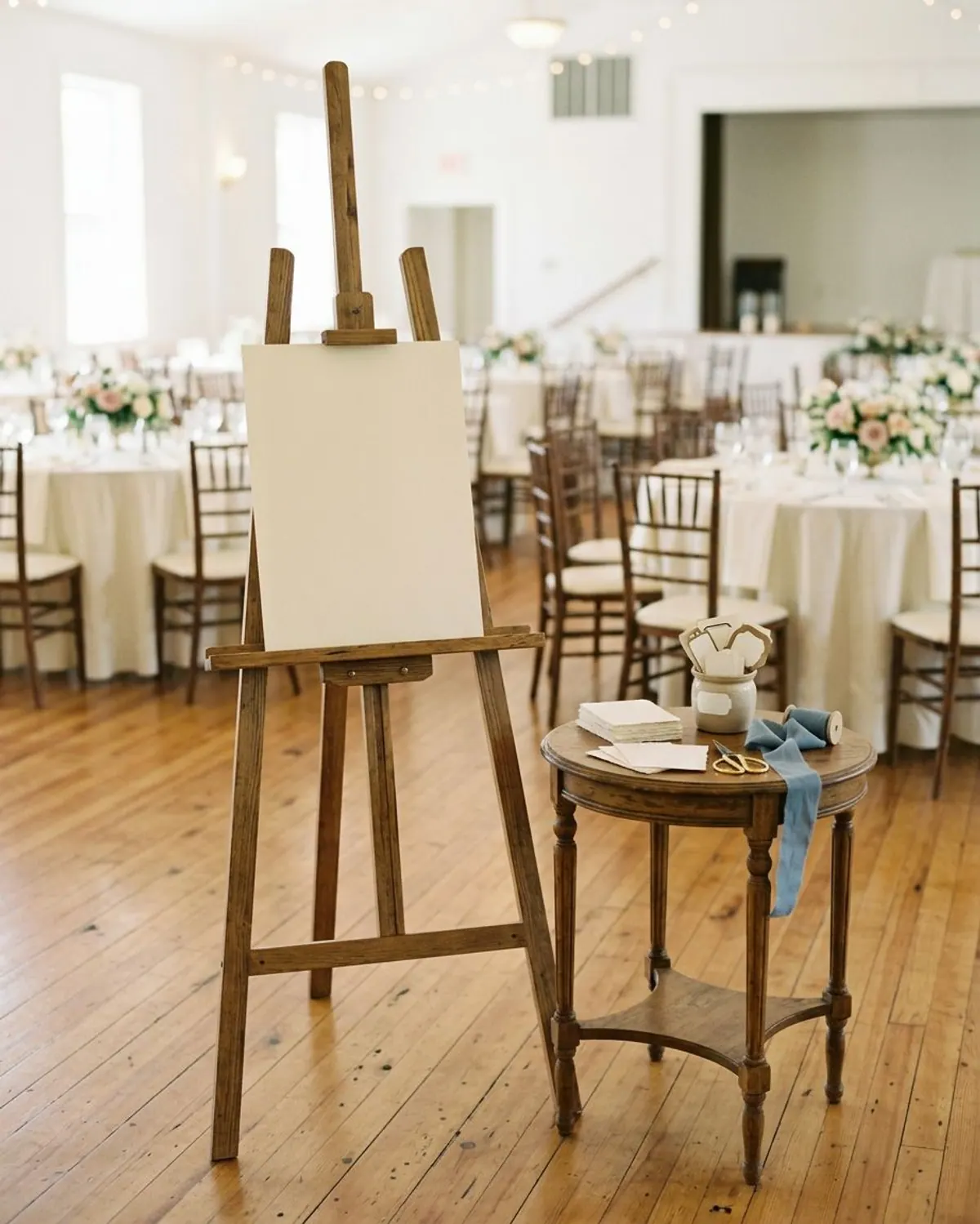
When the final count is in, follow the guide to make a wedding seating chart and seat each pair together.
Frequently asked questions
Do you have to give a plus-one at a wedding?
Not for every guest. Married, engaged, living-together and long-term partners should be invited as a pair. Other single guests are optional, and budget or venue size is a fair reason to skip.
Should engaged couples both be invited?
Yes. Invite both people, using both names on the invitation, even if you have never met the partner.
How do you word a plus-one on a wedding invitation?
Use the partner's name when you know it: 'Ms. Dana Lee and Mr. Chris Ortiz'. Write 'and Guest' only when the guest may bring anyone.
Can you invite a guest without a plus-one?
Yes. Address the invitation only to the guest. Treat all single guests the same way, so the rule is easy to explain.
How much does a plus-one cost?
A plus-one costs one full guest. At an example $150 per guest, ten plus-ones add $1,500. Use your own per-guest figure.

Save it for later
Pin this to your Guest List & Seating board so it's there when you need it.
Save to Pinterest