This post contains affiliate links. As an Amazon Associate we earn from qualifying purchases, at no extra cost to you. Read our disclosure.
Safety first: Prices are examples with an as-of date. Always confirm with your own vendors. Please read our editorial guidelines before you start.
Key takeaways
- Venues averaged $12,900 in The Knot's 2026 Real Weddings Study and $8,573 in Zola's 2026 report; either way it is the largest single wedding cost.
- Date is the biggest lever: Friday, Sunday and winter dates are priced lower at most venues, and January weddings averaged $29,900 total against $34,200 for the year (The Knot).
- Non-traditional spaces cost a fraction of a wedding venue: state parks $25 to $900, community centers $50 to $150 an hour, courthouses $50 to $500 (Joy, June 2026).
- Always compare the package price to an a la carte quote with the same line items; packages can win or lose by thousands depending on your guest count.
- Ask about service charges (18 to 22 percent is common per Zola), minimums, overtime and vendor restrictions before signing, not after.
In this post9 sections
The Short Answer
You save money on a wedding venue by changing one of four things: the date, the type of space, the shape of the deal (package or a la carte), or the guest count. Date and venue type are the two levers that move the number by thousands; the others move it by hundreds. Everything else in this article is a version of those four, ranked by how much it usually saves, with example numbers so you can see the math rather than take our word for it.
Figures below are US averages and published price ranges as of October 2026. Your region will sit above or below them. Treat every dollar figure as an example to check against your own quotes, not a promise, and none of this is financial advice.
Quick Facts: What Wedding Venues Cost in 2026
| Fact | Number | Source |
|---|---|---|
| Average venue cost | $12,900 | The Knot 2026 Real Weddings Study (published April 2026) |
| Average venue cost, second survey | $8,573 | Zola 2026 First Look report |
| Average total wedding cost | $34,200 for 117 guests | The Knot 2026 Real Weddings Study |
| Cheapest month to marry | January, $29,900 average total | The Knot 2025 Real Weddings Study |
| Typical venue service charge | 18 to 22 percent of food and drink | Zola 2026 |
| State park wedding permits | $25 to $900 | Joy, updated June 2026 |
| Community center rental | $50 to $150 an hour, $150 to $500 deposit | Joy, updated June 2026 |
| Hourly event space (PeerSpace) | $223 an hour average, $101 to $291 range | Joy, updated June 2026 |
1. Move the Date Off Peak (Biggest Savings)
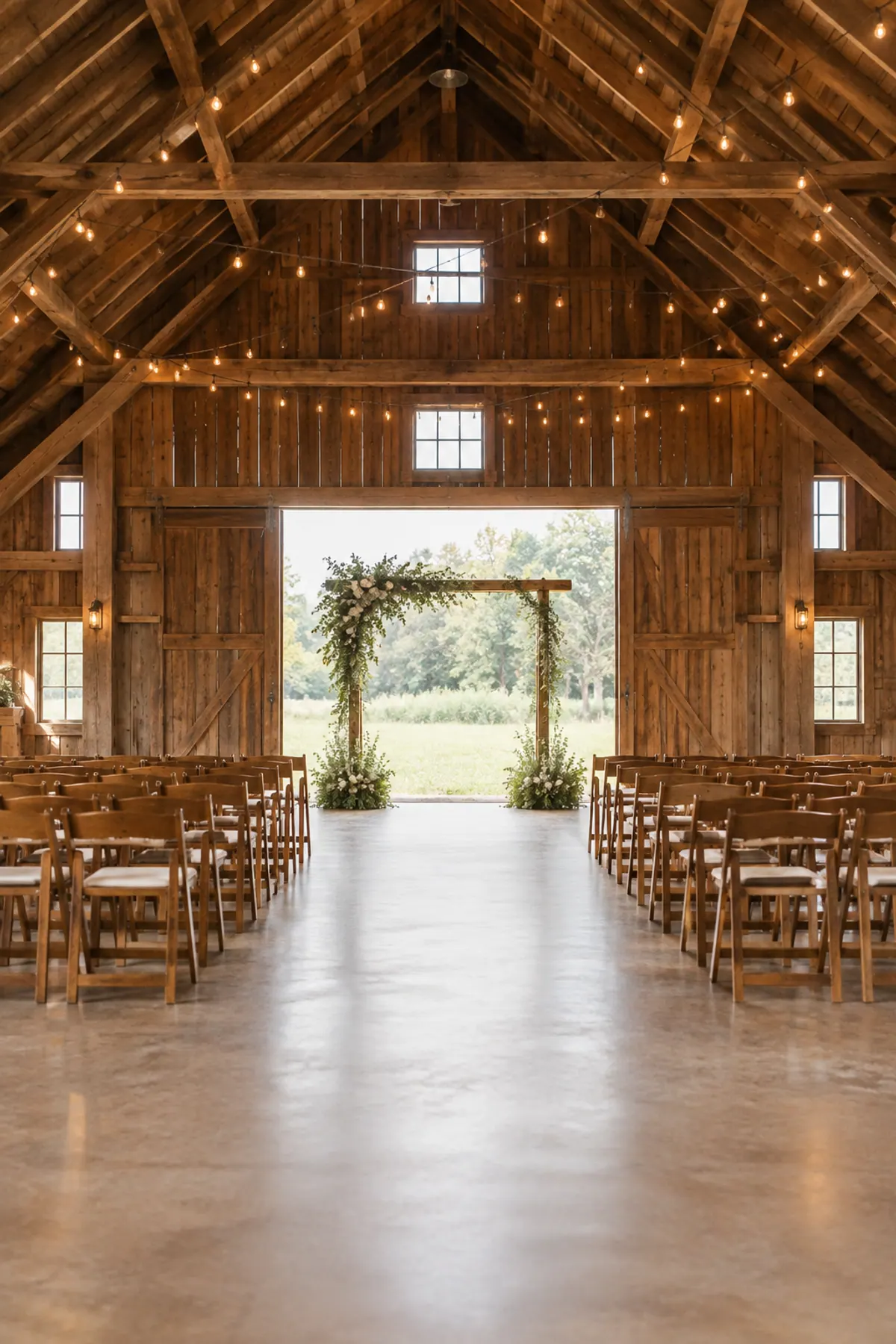
Most venues publish or quietly hold two or three rate tiers: Saturday in peak season (roughly May through October in most of the US), Friday and Sunday, and off-season weekdays. The Knot's 2025 study found January weddings averaged $29,900 in total against $34,200 for the full year, a $4,300 gap, and much of that gap is the venue. The exact discount is venue specific, so ask for the full rate sheet rather than a single quote for the date you first mentioned.
Example:
A venue quotes $7,500 for a Saturday in June. The same venue lists a Friday at $5,500 and a Sunday or a January Saturday at $4,500. Choosing the January Saturday saves $3,000 on the venue alone, before any catering or bar savings that often come with the off-peak package. Those are illustrative tiers, not a specific venue's prices.
2. Choose a Non-Traditional Venue
Spaces that are not marketed as wedding venues are priced for their everyday use, not for weddings. Joy's June 2026 roundup of inexpensive locations gives these published ranges, and the catch with each is the same: you bring or rent everything the space does not include.
| Venue type | Published cost | What you add |
|---|---|---|
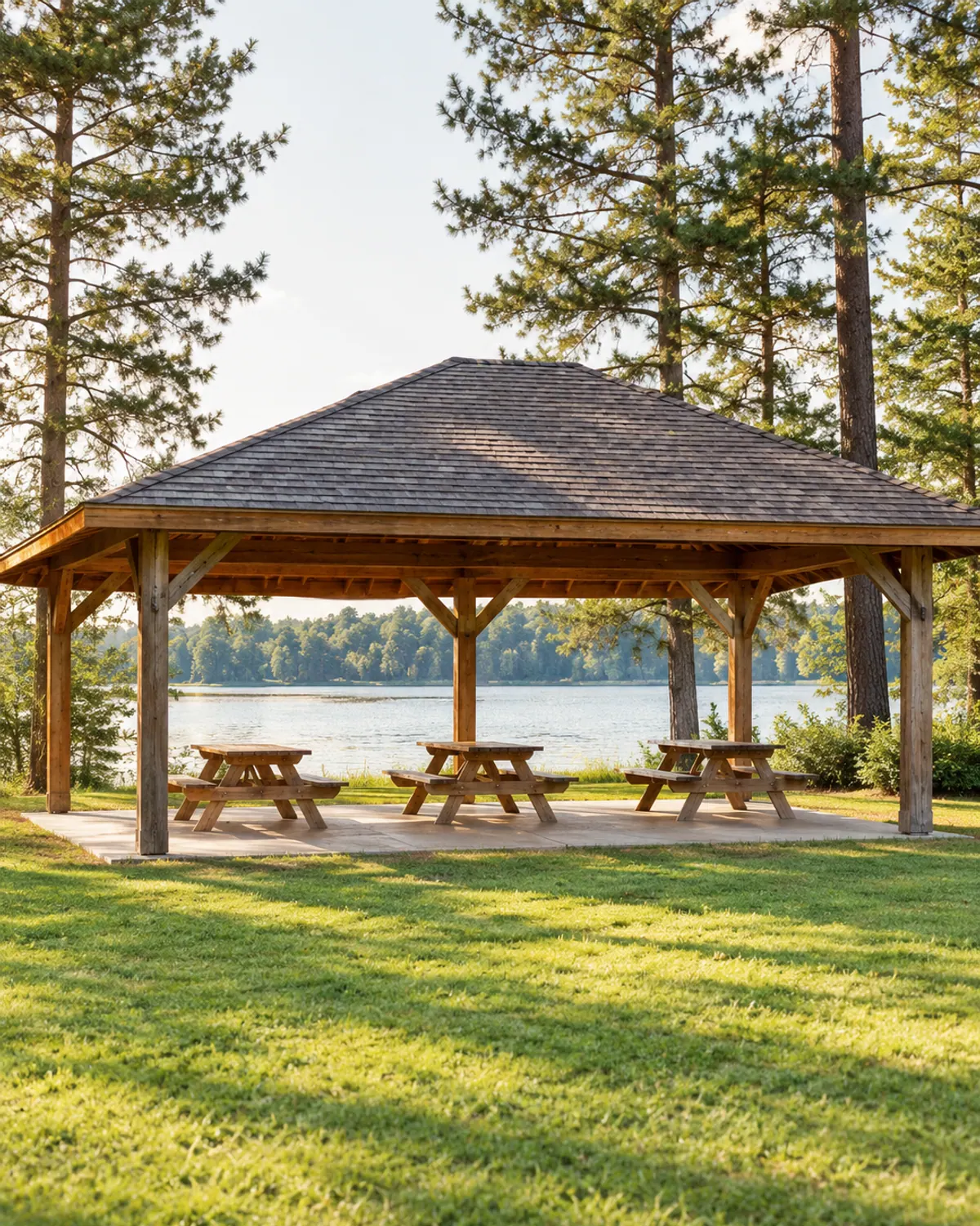
| State park pavilion or lawn | $25 to $900 permit | Chairs, tent if rain, restrooms check, catering |
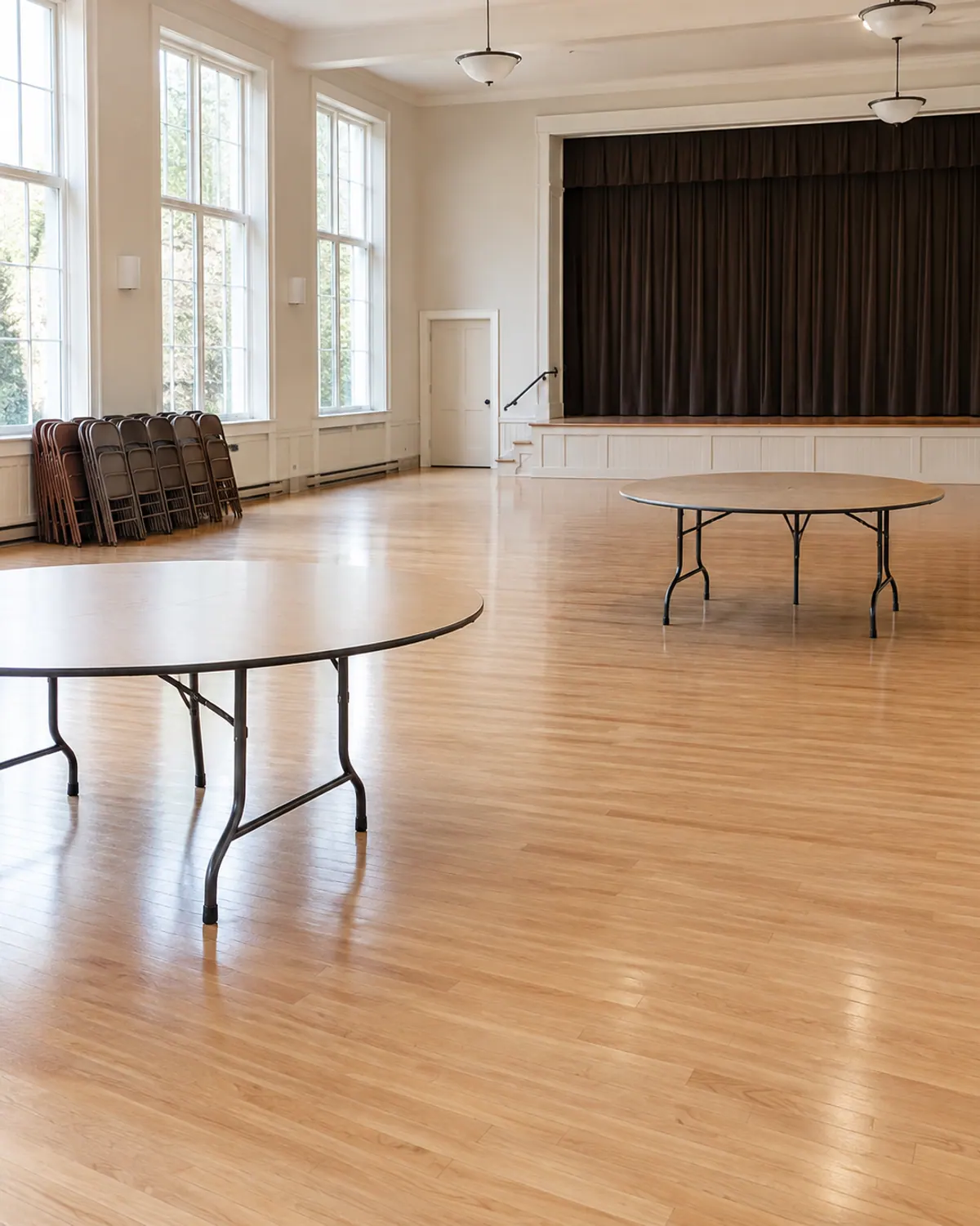
| Community or rec center | $50 to $150 an hour, deposit $150 to $500 | Decor, linens, often your own caterer |
| Courthouse or city hall | $50 to $500 | A reception elsewhere, usually a restaurant |
| City park permit | $50 to $250 | Same as state park; check amplified sound rules |
| Hourly event space (PeerSpace) | $223 an hour average | Catering, rentals, cleanup |
| Church or place of worship | $100 to $2,500 | Reception space, sometimes a membership |
| Botanical garden | $170 to $7,000 | Wide range; weekday and small-group rates are the low end |
| Restaurant private room | Often a food and drink minimum, no fee | Nothing; tables, staff and food are included |
Two things keep these cheap. First, many parks and community centers give residents a 20 to 30 percent discount, so book under the name of whoever lives in that city or county. Second, a restaurant private room usually has no rental fee at all, just a food and drink minimum, which means the venue cost and the catering cost are the same number. We compared courthouse and small-venue totals in courthouse wedding vs small wedding cost.
3. Price the Package Against an A La Carte Quote
An all-inclusive package is not automatically cheaper, and neither is piecing it together yourself. The only way to know is to lay both out with the same line items for your guest count. Here is a worked example for 100 guests using The Knot's 2026 averages for catering (about $80 a head) and rentals ($2,000). These are example numbers to show the method, not quotes from any venue.
| Line item | All-inclusive package | A la carte |
|---|---|---|
| Venue rental | Included | $5,000 |
| Catering (100 guests) | Included | $8,000 (about $80 a head) |
| Tables, chairs, linens | Included | $2,000 |
| Bar (beer and wine, 4 hours) | Included | $2,500 |
| Day-of coordinator | Included | $1,200 |
| Subtotal | $150 a head = $15,000 | $18,700 |
| Service charge (20 percent on food and bar) | $2,100 | $2,100 |
| Example total | $17,100 | $20,800 |
In this example the package wins by $3,700 at 100 guests. Run the same table at 50 guests and the a la carte column falls to roughly $13,000 (venue $5,000, catering $4,000, rentals $1,200, bar $1,300, coordinator $1,200, plus the service charge) while the package stays at $7,500 plus service charge, about $8,550. The package still wins, but if the venue's package has a 75-guest minimum, a 50-guest couple pays for 25 empty seats and the a la carte route or a smaller space wins instead. Guest count decides this, which is why the next lever matters.

4 to 9: Six More Ways to Cut the Venue Bill
4. Cut the guest list before you tour.
Venues price by headcount and by minimum spend. Every 10 guests you remove saves roughly $800 in catering at the $80 average plus a table, linens and centerpiece. Cutting from 120 to 90 guests can also move you into a smaller, cheaper room at the same venue. Our guide to cutting the wedding guest list has the household-by-household method.
5. Book one space for ceremony and reception.
A separate ceremony site adds its own fee ($300 to $2,500 is a common range in our reading of 2026 venue listings), plus transport time that pushes your reception later and the catering clock longer. Using one room and flipping it, or a lawn and a hall at the same property, removes that line entirely.
6. Shorten the rental window.
Most venues sell 8 to 12 hour blocks. Ask what a 6 hour block costs, or whether a brunch or afternoon reception has its own rate. Daytime slots are often priced below evenings because the venue can sell the evening to someone else, and brunch catering menus are cheaper per head than dinner.
7. Ask what is included in writing, then stop paying twice.
Tables, chairs, linens, a sound system, parking, setup and teardown, security, and a coordinator each cost money if the venue does not include them. The hidden wedding costs article lists the ones that most often surprise couples. A venue that is $1,000 more expensive but includes $2,500 of rentals is the cheaper venue.
8. Negotiate the extras, not the base fee.
Venues rarely cut their headline price, but they do add things: an extra hour, a free tasting, waived cake-cutting or corkage fees, a reduced ceremony fee, or an upgraded linen package. Ask on a weekday afternoon in the off season when they have open dates to fill, and bring your other quote.
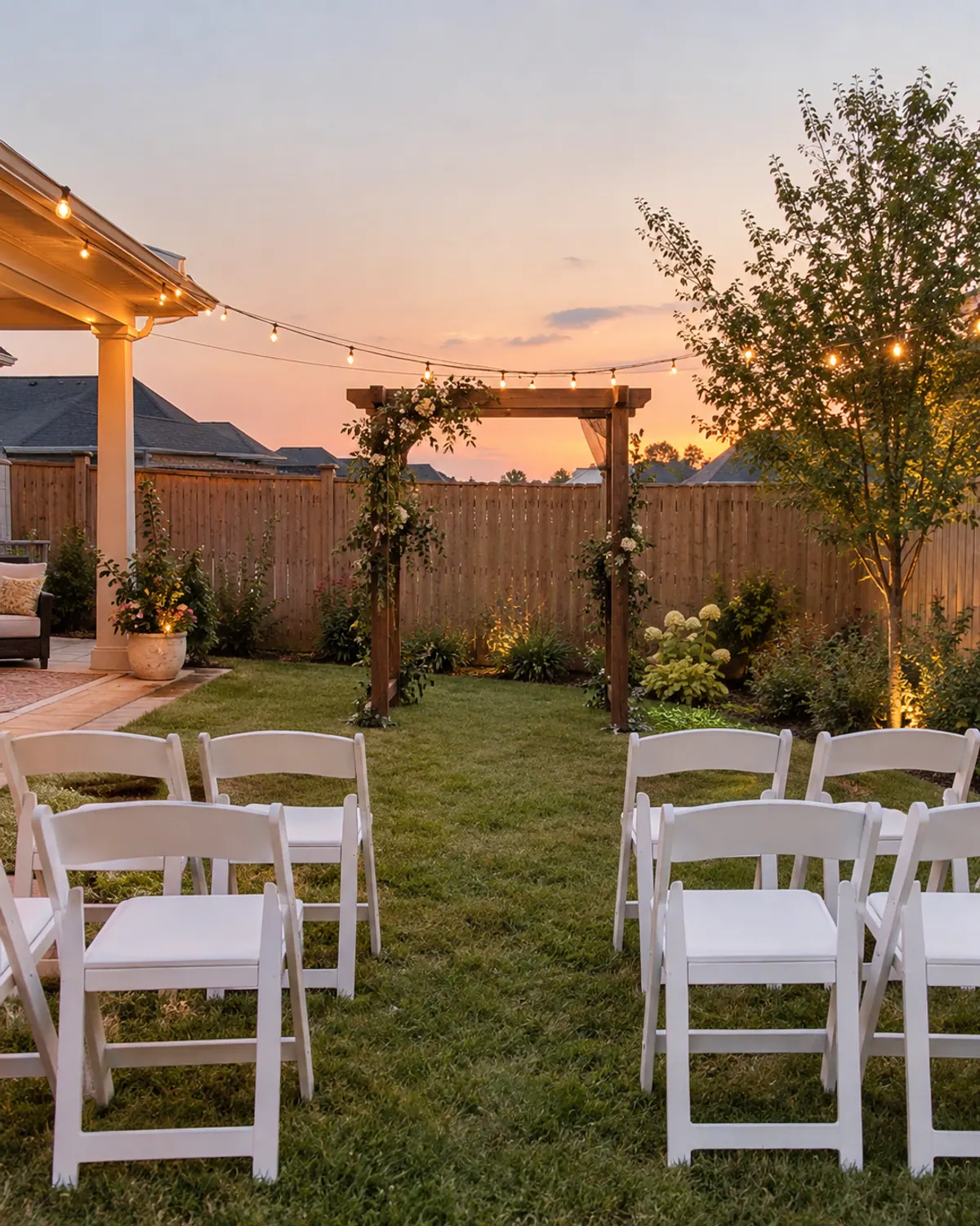
9. Use your own home or a family backyard, with the real add-ons priced.
A backyard is free, but a tent runs $1,500 to $5,000 and a restroom trailer $800 to $1,500 (Paperlust, July 2026), plus tables, chairs, lighting and power. For 50 to 75 guests the backyard route often lands at $10,000 to $18,000 all in. It wins for small guest counts in good weather and loses to a community hall once you need a tent. Price it before you assume it is the cheap option.
Myths vs Reality
| Myth | Reality |
|---|---|
| All-inclusive packages are always cheaper | They win at or above the venue's minimum headcount and lose below it. Run both columns. |
| A backyard wedding is free | Tent, restrooms, rentals and power add $5,000 or more for 50 plus guests (Paperlust, July 2026). |
| Any Sunday is cheap | Holiday-weekend Sundays are priced as Saturdays at most venues. |
| The quote is the final price | Service charges of 18 to 22 percent plus tax typically sit on top of food and drink (Zola 2026). |
| Venues never negotiate | They rarely cut the base fee but often add hours, waive fees or include rentals. |
| Cheaper venues look cheap | Parks, gardens and historic halls photograph as well as ballrooms; the decor budget decides the look. |
12 Questions to Ask a Venue Before You Sign
Take these on the tour or send them by email before you pay a deposit. The answers change the real price more than the headline rental fee does. For the full list of 50, including the rain plan and vendor rules, see our questions to ask wedding venues.
Venue walkthrough questions
Once you have a venue number, drop it into the full budget. The $30,000 wedding budget breakdown for 100 guests and the 50-person wedding cost guide show where the venue sits against every other line, and how to plan a wedding on a budget walks the whole process in order.
Useful for a park, hall or backyard venue
-
Wedding planner binder with pocket dividers
Typically $20 to $45
Keeps every venue quote, rate sheet and contract in one place so you can compare them line by line.
Check price on Amazon for Wedding planner binder with pocket dividers -
Clipboard with storage compartment
Typically $10 to $20
Take the 12 questions on every tour and write the answers down on the spot.
Check price on Amazon for Clipboard with storage compartment -
White resin folding chairs (set)
Typically $25 to $45 per chair in packs
Buying a set can cost less than renting twice for a park ceremony and a backyard rehearsal; resell them after.
Check price on Amazon for White resin folding chairs (set) -
Outdoor string lights, 48 to 100 feet
Typically $25 to $70 per strand
The single cheapest way to make a plain hall, pavilion or yard look like a venue after dark.
Check price on Amazon for Outdoor string lights, 48 to 100 feet -
Portable PA speaker with wireless microphone
Typically $80 to $200
Parks and community halls rarely include sound; one speaker covers vows, toasts and dinner music for under 100 guests.
Check price on Amazon for Portable PA speaker with wireless microphone
Frequently asked questions
What is the cheapest day of the week to have a wedding?
At most US venues the cheapest days are weekdays, then Sundays, then Fridays, with Saturdays priced highest. Sundays before a Monday holiday are usually priced like Saturdays. Ask for the venue's full rate sheet, since the gap between tiers varies from a few hundred dollars to several thousand.
What is the cheapest month to get married?
January. The Knot's 2025 Real Weddings Study found January weddings averaged $29,900 in total against $34,200 for the full year. February, March and November are typically the next cheapest, while May through October is peak season in most of the US.
Is an all-inclusive wedding venue cheaper?
Sometimes. A package usually wins when your guest count is at or above the venue's minimum and you would have bought most of the included items anyway. It loses when you are below the minimum, want a simpler menu or bar, or have free access to rentals. Compare both with the same line items for your real headcount.
How much should the venue be as a percentage of the wedding budget?
The Knot's 2026 figures put the venue at $12,900 of a $34,200 average, about 38 percent, though that venue figure often includes some catering and rentals. If your venue alone is above 40 percent of your total budget with food still to add, it is worth looking at a cheaper tier or a non-traditional space.
Can you negotiate the price of a wedding venue?
Usually not the base rental fee, but venues often add value instead: an extra hour, waived ceremony or cake-cutting fees, included linens or a tasting. You have the most room on off-peak dates the venue still needs to fill, and when you can show a competing quote.
What hidden venue costs should I ask about?
Service charges (18 to 22 percent is common per Zola 2026) and tax on top of them, ceremony fees, overtime for guests and vendors, security, parking, cleaning, corkage and cake-cutting fees, and rentals the venue does not include. Our hidden wedding costs article covers each with typical ranges.
Save it for later
Pin this to your Wedding Budget & Costs board so it's there when you need it.
Save to Pinterest